
These three structures change two different features: wing width and the location of the short strikes. A standard butterfly has equal wings and one peak. A broken wing makes the tails unequal. A broken heart separates the shorts to create a flat peak.
What Are You Choosing Between?
First decide where the stock is expected to finish. Then compare how much loss is acceptable beyond each wing. Widening the maximum-profit zone can change both the entry premium and the worst tail loss. More room at the peak does not mean better protection everywhere.
The Main Differences
Swipe the table to compare all columns →
| Compare | Standard Butterfly | Call Broken Wing Butterfly | Broken Heart Butterfly |
|---|---|---|---|
| Construction | Equal $5 wings give equal losses on the two tails. | A wider upper wing changes the upside tail risk. | Separate the short strikes to create a flat peak; keep unequal wings. |
| Example entry | $100 net debit | $50 net credit | $75 net debit |
| Maximum profit | $400 | $550 | $425 |
| Maximum loss | $100 | $450 | $575 |
| Breakeven price | $96; $104 | $105.50 | $95.75; $109.25 |
A Practical Example
The standard call butterfly uses $95/$100/$105. The broken wing moves the highest call to $110. The broken heart uses $95/$100/$105/$115, with its short calls separated. In these quotes the broken wing receives a credit, but the broken heart costs a debit. All are defined-risk at expiration while kept intact.
XYZ is at $100 when the option trades are entered. Premiums below are per share; each option contract covers 100 shares. Each column shows one complete position, not an equal-capital allocation. Prices are hypothetical and exclude commissions, taxes, dividends, financing costs and early-assignment cashflows.
| Position | Example legs |
|---|---|
| Standard Butterfly | Buy 1 $95 call, 30 days, at $8 Sell 2 $100 calls, 30 days, at $5 Buy 1 $105 call, 30 days, at $3 |
| Call Broken Wing Butterfly | Buy 1 $95 call, 30 days, at $8 Sell 2 $100 calls, 30 days, at $5 Buy 1 $110 call, 30 days, at $1.50 |
| Broken Heart Butterfly | Buy 1 $95 call, 30 days, at $8 Sell 1 $100 call, 30 days, at $5 Sell 1 $105 call, 30 days, at $3 Buy 1 $115 call, 30 days, at $0.75 |
Comparing the Expiration Payoffs
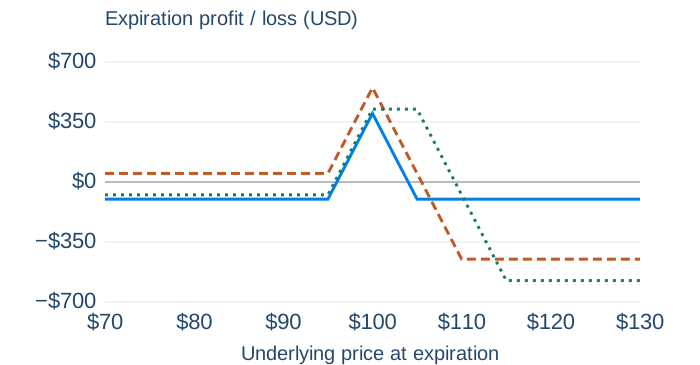
- Standard Butterfly
- Call Broken Wing Butterfly
- Broken Heart Butterfly
Swipe the table to compare all columns →
| XYZ price | Standard Butterfly | Call Broken Wing Butterfly | Broken Heart Butterfly |
|---|---|---|---|
| $80 | −$100 | $50 | −$75 |
| $95 | −$100 | $50 | −$75 |
| $100 | $400 | $550 | $425 |
| $105 | −$100 | $50 | $425 |
| $120 | −$100 | −$450 | −$575 |
What to Watch For
The broken heart is an unequal-wing Condor variation, not a separate source of protection. Credit entry is a price condition, not a guaranteed feature of either named variation. Check the actual tails rather than relying on the word butterfly.
Before expiration, time value and implied volatility can change a position’s market value. Short options also create exercise and assignment obligations. Review the full strategy guides for position management and settlement details.
Explore the Strategies
- Butterfly Spread
- Long Put Butterfly
- Call Broken Wing Butterfly
- Put Broken Wing Butterfly
- Broken Heart Butterfly
Try the examples: