
A box combines opposing synthetic exposures within one expiration and across two strikes. A Jelly Roll combines them across two expirations at one strike. Both can be used in financing or relative-value work, but their settlement timelines are different.
What Are You Choosing Between?
First identify what is closed or settled at each date. An intact European-style long box has a fixed expiration amount based on its strike width. A cash-settled Jelly Roll leaves synthetic long exposure after the first settlement unless it is closed or hedged. A flat first-expiration valuation does not remove that later exposure.
The Main Differences
Swipe the table to compare all columns →
| Compare | Long Box | Jelly Roll |
|---|---|---|
| Construction | A call spread and opposing put spread share one expiration. | Sell a near synthetic long and buy a later synthetic long. |
| Example entry | $995 net debit | $40 net debit |
| Maximum profit | $5 | Depends on remaining option value and exit rule |
| Maximum loss | $0 | Requires the specified exit and assignment assumptions |
| Breakeven price | None in this example | Changes with time value and volatility |
A Practical Example
The 30-day $95/$105 box costs $995 and pays $1,000 at its common settlement. The Jelly Roll costs $40, with one pair at 30 days and one at 90 days. The chart compares the box settlement with closing the remaining Jelly Roll at day 30 using 5% interest and no dividends. These different amounts and maturities are not a ranking of investment returns.
XYZ is at $100 when the option trades are entered. Premiums below are per share; each option contract covers 100 shares. Each column shows one complete position, not an equal-capital allocation. Prices are hypothetical and exclude commissions, taxes, dividends, financing costs and early-assignment cashflows.
| Position | Example legs |
|---|---|
| Long Box | Buy 1 $95 call, 30 days, at $7.95 Sell 1 $105 call, 30 days, at $3 Buy 1 $105 put, 30 days, at $8 Sell 1 $95 put, 30 days, at $3 |
| Jelly Roll | Sell 1 $100 call, 30 days, at $5 Buy 1 $100 put, 30 days, at $5 Buy 1 $100 call, 90 days, at $8 Sell 1 $100 put, 90 days, at $7.60 |
Comparing Value at the First Expiration
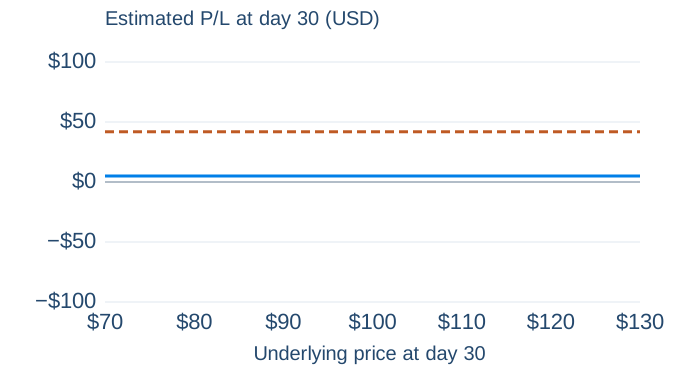
- Long Box
- Jelly Roll
Swipe the table to compare all columns →
| XYZ price | Long Box | Jelly Roll |
|---|---|---|
| $80 | $5 | $41.85 |
| $95 | $5 | $41.85 |
| $100 | $5 | $41.85 |
| $105 | $5 | $41.85 |
| $120 | $5 | $41.85 |
What to Watch For
If the Jelly Roll instead cash-settles both dates unhedged, its result per unit is later price minus earlier price minus the $0.40 debit. The box’s fixed terminal amount also assumes matching European exercise and settlement terms. American early assignment, fees, funding and execution can defeat a simplistic arbitrage calculation.
Before expiration, time value and implied volatility can change a position’s market value. Short options also create exercise and assignment obligations. Review the full strategy guides for position management and settlement details.
Explore the Strategies
Try the examples:
- Long Box in the strategy builder
- Jelly Roll: use the full guide above for its multi-expiration assumptions. The single-expiration builder does not model this complete position.
Structure reference: Cboe Jelly Roll specification. The hypothetical comparison calculations are derived from the listed legs.