
A Protective Put buys a floor under a stock holding while keeping upside participation. A Collar adds a sold call to help fund that put, giving up gains above the call strike. The question is how much upside the investor is willing to exchange for a lower hedging cost.
What Are You Choosing Between?
Start with the loss level the investor wants to limit and how long the protection is needed. Then compare the price of the put with the upside surrendered by the call. The Collar’s financing is a tradeoff, not free insurance, and renewing either strategy means dealing with new option prices.
The Main Differences
Swipe the table to compare all columns →
| Compare | Protective Put | Zero-Premium Collar |
|---|---|---|
| Construction | Own shares and buy a put as a downside floor. | Add a Protective Put and finance it by selling a call. |
| Example entry | $10,300 net debit | $10,000 net debit |
| Maximum profit | Unlimited | $500 |
| Maximum loss | $800 | $500 |
| Breakeven price | $103 | $100 |
Entry amounts include the stated stock purchase cost or short-sale proceeds. A net credit is not the broker’s required collateral, and historical stock cost is not new cash invested today.
A Practical Example
Both examples buy shares at $100 and a $95 put for $3. The Collar also sells a $105 call for $3, offsetting the option premium. The Protective Put has an $800 maximum loss after its premium; the Collar’s is $500. The Collar also caps profit at $500, while the standalone hedge leaves gains open above its higher breakeven.
XYZ is at $100 when the option trades are entered. Premiums below are per share; each option contract covers 100 shares. Each column shows one complete position, not an equal-capital allocation. Prices are hypothetical and exclude commissions, taxes, dividends, financing costs and early-assignment cashflows.
| Position | Example legs |
|---|---|
| Protective Put | Own 100 shares at $100 Buy 1 $95 put, 30 days, at $3 |
| Zero-Premium Collar | Own 100 shares at $100 Buy 1 $95 put, 30 days, at $3 Sell 1 $105 call, 30 days, at $3 |
Comparing the Expiration Payoffs
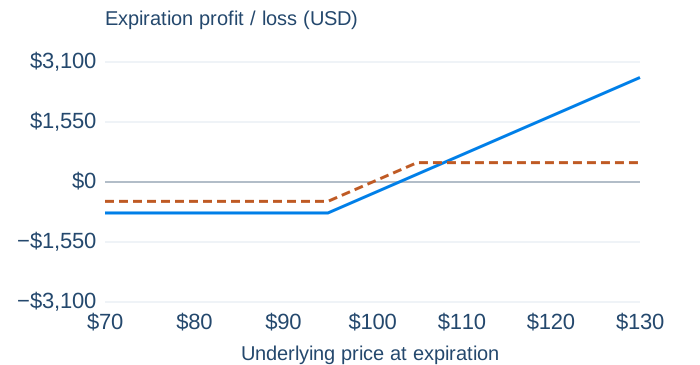
- Protective Put
- Zero-Premium Collar
Swipe the table to compare all columns →
| XYZ price | Protective Put | Zero-Premium Collar |
|---|---|---|
| $80 | −$800 | −$500 |
| $95 | −$800 | −$500 |
| $100 | −$300 | $0 |
| $105 | $200 | $500 |
| $120 | $1,700 | $500 |
What to Watch For
An option premium that nets to zero does not remove the risk in the shares. A Married Put is the stock-and-put position established together; it does not require a separate comparison pretending it has a fundamentally different payoff.
Before expiration, time value and implied volatility can change a position’s market value. Short options also create exercise and assignment obligations. Review the full strategy guides for position management and settlement details.
Explore the Strategies
Try the examples: