
A conventional Covered Call owns shares. A Poor Man’s Covered Call uses a longer-dated in-the-money call instead. Both sell a shorter-dated call, but replacing stock with an option introduces an expiration date, time value and changing price sensitivity.
What Are You Choosing Between?
Compare ownership and funding needs before comparing premium income. Shares can be held indefinitely and may pay dividends. The long call uses less opening cash in this example, but can expire worthless. The smaller debit also means a modest dollar loss can be a large percentage loss.
The Main Differences
Swipe the table to compare all columns →
| Compare | Covered Call | Poor Man’s Covered Call |
|---|---|---|
| Construction | Own 100 shares and sell one call against them. | Replace shares with a longer-dated ITM call. |
| Example entry | $9,700 net debit | $1,100 net debit |
| Maximum profit | $800 | Depends on remaining option value and exit rule |
| Maximum loss | $9,700 | Requires the specified exit and assignment assumptions |
| Breakeven price | $97 | Changes with time value and volatility |
Entry amounts include the stated stock purchase cost or short-sale proceeds. A net credit is not the broker’s required collateral, and historical stock cost is not new cash invested today.
A Practical Example
Both positions sell the 30-day $105 call for $3. The stock position buys shares at $100, while the diagonal buys a 180-day $90 call for $14. At day 30 the long call still has 150 days remaining. The chart values that option using an explicit model; it is not treated as if it expired alongside the short call.
XYZ is at $100 when the option trades are entered. Premiums below are per share; each option contract covers 100 shares. Each column shows one complete position, not an equal-capital allocation. Prices are hypothetical and exclude commissions, taxes, dividends, financing costs and early-assignment cashflows.
| Position | Example legs |
|---|---|
| Covered Call | Own 100 shares at $100 Sell 1 $105 call, 30 days, at $3 |
| Poor Man’s Covered Call | Buy 1 $90 call, 180 days, at $14 Sell 1 $105 call, 30 days, at $3 |
Comparing Value at the First Expiration
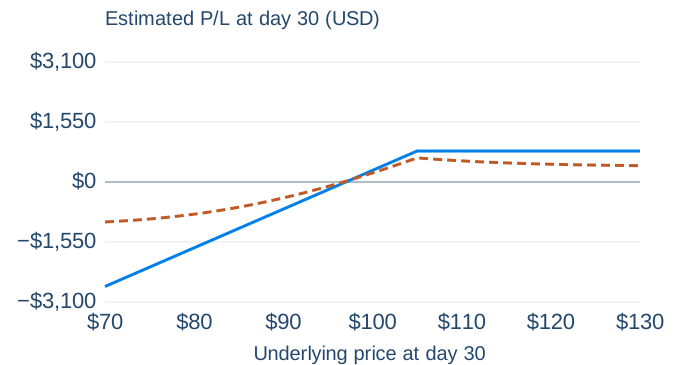
- Covered Call
- Poor Man’s Covered Call
Swipe the table to compare all columns →
| XYZ price | Covered Call | Poor Man’s Covered Call |
|---|---|---|
| $80 | −$1,700 | −$830.95 |
| $95 | −$200 | −$113.67 |
| $100 | $300 | $233.86 |
| $105 | $800 | $623.51 |
| $120 | $800 | $458.93 |
What to Watch For
The nickname does not mean shares are available for delivery. Short-call assignment can leave short shares in the diagonal account. Exercising the long call may discard time value; closing the long option and the resulting stock position has its own execution and funding requirements.
Before expiration, time value and implied volatility can change a position’s market value. Short options also create exercise and assignment obligations. Review the full strategy guides for position management and settlement details.
Explore the Strategies
Try the examples:
- Covered Call in the strategy builder
- Poor Man’s Covered Call — diagonal calculator (enter the example’s legs and dates).