
A calendar uses the same strike at different expirations. A diagonal changes both the strike and the expiration. Both depend on the value of the longer-dated option when the shorter one expires, so neither has a simple one-date intrinsic payoff for all its legs.
What Are You Choosing Between?
Keeping the strikes together concentrates the example around a shared price target. Moving the short strike changes the near-term exposure and premium collected. A diagonal is not automatically bullish: calls, puts, strike order and which expiry is bought all matter.
The Main Differences
Swipe the table to compare all columns →
| Compare | Call Calendar | Call Diagonal |
|---|---|---|
| Construction | Same strike across a long far and short near call. | Different strikes across a long far and short near call. |
| Example entry | $300 net debit | $500 net debit |
| Maximum profit | Depends on remaining option value and exit rule | Depends on remaining option value and exit rule |
| Maximum loss | Requires the specified exit and assignment assumptions | Requires the specified exit and assignment assumptions |
| Breakeven price | Changes with time value and volatility | Changes with time value and volatility |
A Practical Example
Both examples buy the 90-day $100 call for $8. The calendar sells a 30-day $100 call for $5; the diagonal sells a 30-day $105 call for $3. The costs are $300 and $500. At the first expiry both long options have 60 days left, and the chart values them with the same volatility assumption.
XYZ is at $100 when the option trades are entered. Premiums below are per share; each option contract covers 100 shares. Each column shows one complete position, not an equal-capital allocation. Prices are hypothetical and exclude commissions, taxes, dividends, financing costs and early-assignment cashflows.
| Position | Example legs |
|---|---|
| Call Calendar | Buy 1 $100 call, 90 days, at $8 Sell 1 $100 call, 30 days, at $5 |
| Call Diagonal | Buy 1 $100 call, 90 days, at $8 Sell 1 $105 call, 30 days, at $3 |
Comparing Value at the First Expiration
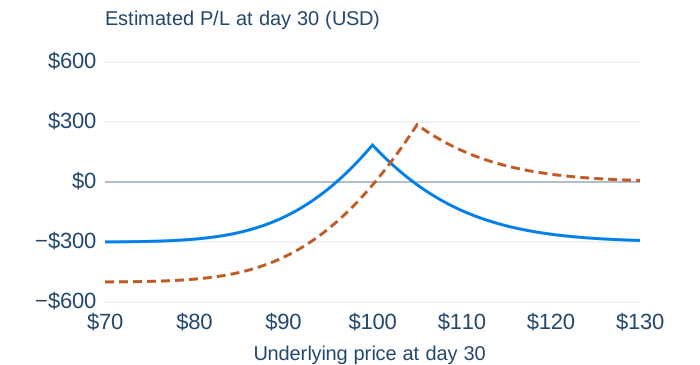
- Call Calendar
- Call Diagonal
Swipe the table to compare all columns →
| XYZ price | Call Calendar | Call Diagonal |
|---|---|---|
| $80 | −$285.79 | −$485.79 |
| $95 | −$35.81 | −$235.81 |
| $100 | $184.95 | −$15.05 |
| $105 | −$13.53 | $286.47 |
| $120 | −$260.91 | $39.09 |
What to Watch For
Do not use vertical-spread breakeven formulas for these trades. Remaining time value, volatility and assignment handling matter. The Poor Man’s Covered Call is an ITM long-call diagonal variation, not an unrelated strategy to put on the opposite side of a comparison.
Before expiration, time value and implied volatility can change a position’s market value. Short options also create exercise and assignment obligations. Review the full strategy guides for position management and settlement details.
Explore the Strategies
- Calendar Spread
- Neutral Calendar Spread
- Diagonal Spread
- Diagonal Bull Call Spread (Poor Man’s Covered Call)
- Diagonal Bear Put Spread (Poor Man’s Covered Put)
Try the examples:
- Call Calendar — calendar calculator (enter the example’s legs and dates).
- Call Diagonal — diagonal calculator (enter the example’s legs and dates).
Structure reference: OIC strategy explanation. The hypothetical comparison calculations are derived from the listed legs.