
A Bear Put Spread pays a debit for bearish exposure; a Bear Call Spread collects a credit for it. When strikes and expiration match, the final economic payoff can match too. “Buying a spread” and “selling premium” can therefore describe similar price exposure.
What Are You Choosing Between?
Look at net pricing and the practical consequences of the short option. A bearish opinion is not enough to choose between the two. Consider whether either series trades with tighter spreads, how the account funds the trade and whether a dividend or expiration could make assignment more likely.
The Main Differences
Swipe the table to compare all columns →
| Compare | Bear Put Spread | Bear Call Spread |
|---|---|---|
| Construction | Buy the higher put and sell the lower put for a debit. | Sell the lower call and buy the higher call for a credit. |
| Example entry | $500 net debit | $500 net credit |
| Maximum profit | $500 | $500 |
| Maximum loss | $500 | $500 |
| Breakeven price | $100 | $100 |
A Practical Example
The $105/$95 put spread costs $500. The $95/$105 call spread receives $500. Under the stated no-carry quotes, both earn $500 below $95 and lose $500 above $105, with a $100 breakeven. Identical dollar risk makes this a construction comparison rather than a comparison of different market targets.
XYZ is at $100 when the option trades are entered. Premiums below are per share; each option contract covers 100 shares. Each column shows one complete position, not an equal-capital allocation. Prices are hypothetical and exclude commissions, taxes, dividends, financing costs and early-assignment cashflows.
| Position | Example legs |
|---|---|
| Bear Put Spread | Buy 1 $105 put, 30 days, at $8 Sell 1 $95 put, 30 days, at $3 |
| Bear Call Spread | Sell 1 $95 call, 30 days, at $8 Buy 1 $105 call, 30 days, at $3 |
Comparing the Expiration Payoffs
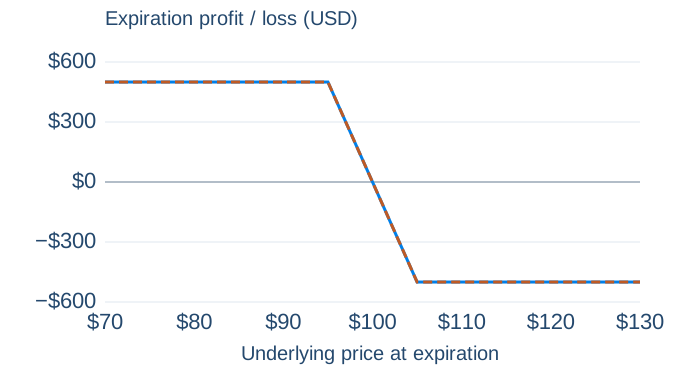
- Bear Put Spread
- Bear Call Spread
Swipe the table to compare all columns →
| XYZ price | Bear Put Spread | Bear Call Spread |
|---|---|---|
| $80 | $500 | $500 |
| $95 | $500 | $500 |
| $100 | $0 | $0 |
| $105 | −$500 | −$500 |
| $120 | −$500 | −$500 |
What to Watch For
Do not compare a tight Bear Call Spread with a much wider Bear Put Spread and attribute the difference to calls versus puts. Match the structure first, then decide whether real-world execution changes the economics.
Before expiration, time value and implied volatility can change a position’s market value. Short options also create exercise and assignment obligations. Review the full strategy guides for position management and settlement details.
Explore the Strategies
Try the examples: